Featured Articles

Asked, Answered: The Importance of Governing Documents
Matt Branaugh reminds church leaders what they need to be looking for when it comes to church governing documents.

Annual Nondiscriminatory Policy Reporting Deadline Looms for Church-Run Schools
Filing Form 5578 is one of the most commonly ignored federal requirements of church-run schools and preschools.

More States Legislate Mandatory Sexual Harassment Prevention Training for Employers
Mandatory sexual harassment training for employers, including churches, is a growing trend in the United States and its territories.
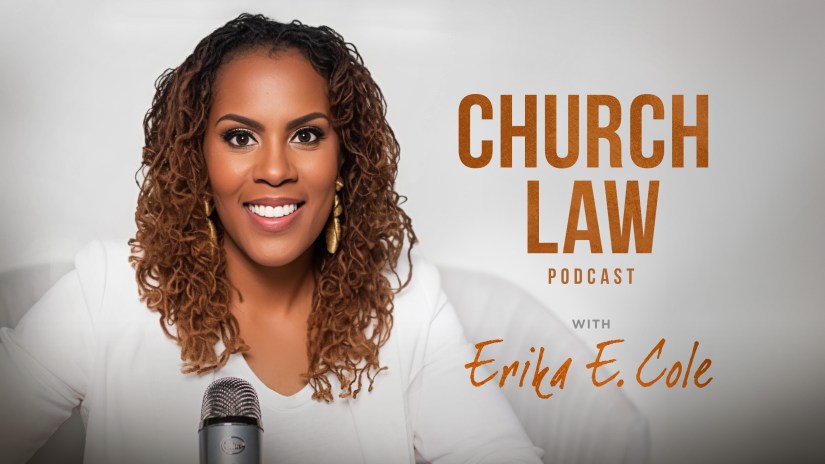
Legal Considerations for Youth Ministry, with Guest Jeff Dalrymple
Jeff Dalrymple from ECAP talks about the proactive ways churches can protect their youth from personal injuries and prevent abuse.

‘Reasonable, competent supervision’ required of church-owned school in playground assault case
A Louisiana court rules that a church-owned school was required to provide “reasonable, competent supervision” in a playground assault case.
Stay informed. Keep learning.
Browse by topic to find the answer you need to lead your ministry with confidence.




Church Law & Tax Products
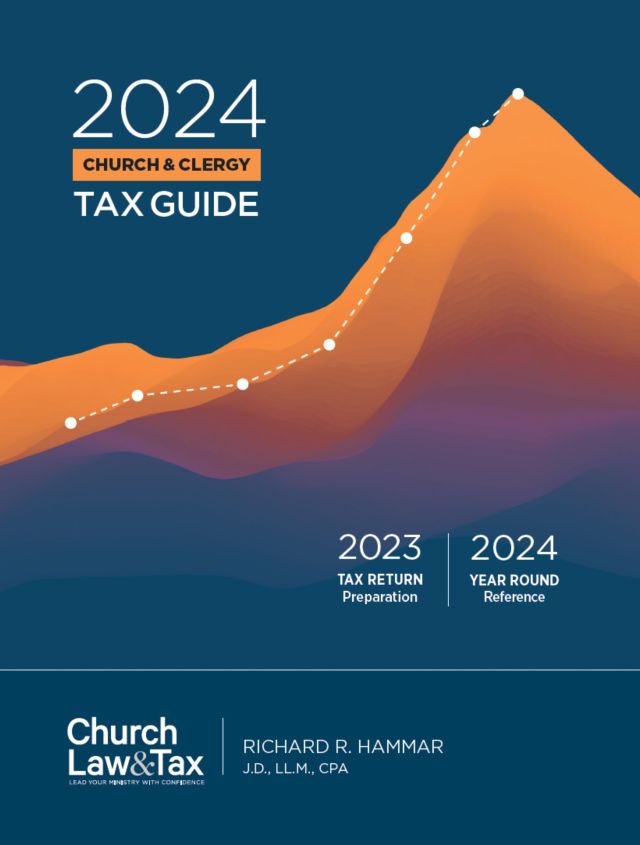
2024 Church & Clergy Tax Guide
Support your ministry with the most authoritative and comprehensive, year-round tax resource.
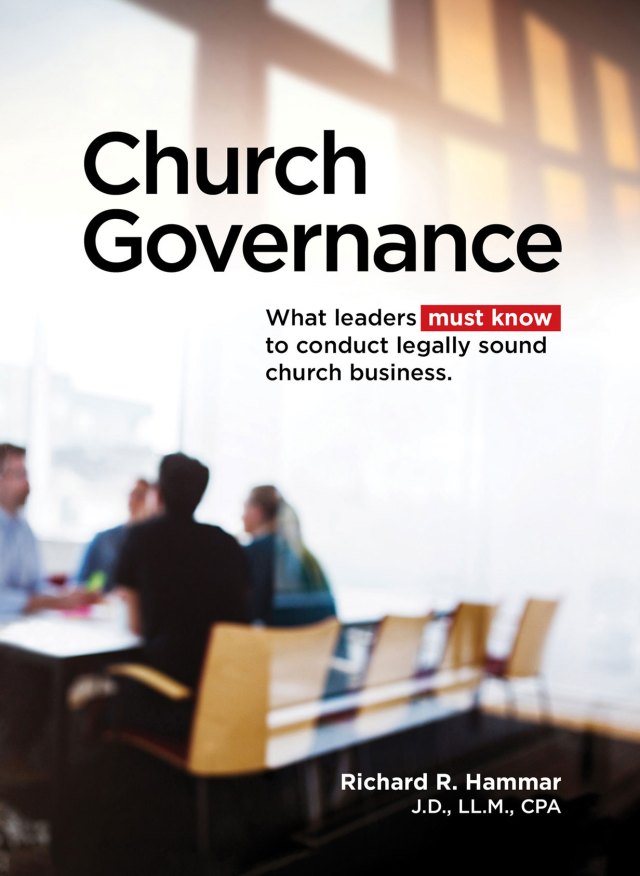
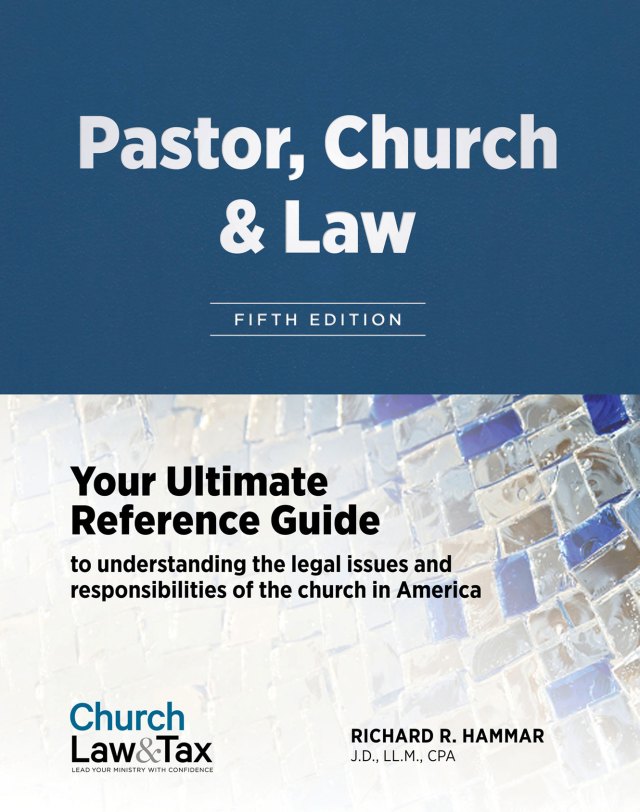
Pastor, Church & Law, Fifth Edition
Learn which local, state, and federal laws apply to religious organizations.
Child Sexual Abuse Response Plan
Put a plan into action to prevent child sexual abuse from happening in your church.
Find it Fast.
Browse by topic to find the answer you need to lead your ministry with confidence.